Source Modern Fabric Clam Chair for Hotel, Home, and Dining
Find 30 modern fabric clam chair options for hotel, home, and dining room use. Compare models like DC-3 and CX-M11, noting variations in armrests, colors, and folding features to select the right fit for your project; compare the available evidence and request quotations based on your requirements.
Key considerations
Products List




Comprehensive Sourcing Guide
Modern Fabric Clam Chair Sourcing Guide
Procuring modern fabric clam chairs requires careful attention to the specific design attributes observed in current listings, particularly the prevalence of round shapes and fixed rotary mechanisms. Buyers should note that while many units feature a modern aesthetic with yellow or green finishes, the market also presents variations including white options and synthetic leather alternatives. The core product definition often centers on a clam-style structure that may be sold in either folded or unfolded states, necessitating clear specification of the desired configuration before ordering.
Commercial availability varies significantly across suppliers, with observed minimum order quantities ranging from a single unit to several hundred sets depending on the model. Some listings indicate a standard export packing method of two pieces per carton, while others utilize six pieces per carton or include wooden frames for added protection. Understanding these packaging differences is critical for calculating accurate shipping volumes, as observed data suggests a 40HQ container can hold between 650 and 1600 pieces based on the specific model and packing density selected.
Product Scope and Observed Listing Signals
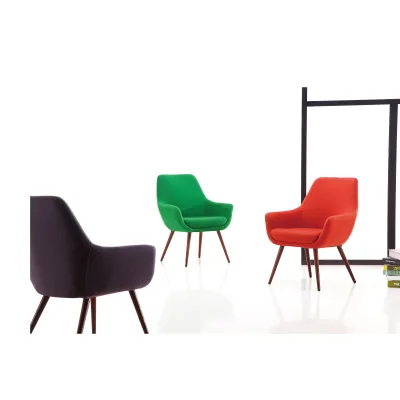
The product scope for modern fabric clam chairs encompasses a diverse range of applications, primarily targeting hotel and home environments where space efficiency and style are paramount. Listings frequently highlight specific usage scenarios such as dining rooms and living rooms, with some models explicitly designed for dining room furniture needs. The observed color palette includes vibrant yellow and green options alongside neutral white, allowing buyers to match specific interior design themes while maintaining the functional clam structure.
Buyers must distinguish between different material compositions, as the market offers both fabric and synthetic leather options for the same chair style. Technical observations indicate that some units feature high-density foam padding for enhanced comfort, while others may vary in their armrest configurations, with some models including armrests and others omitting them entirely. This variation requires precise verification of the product model, such as DC-3 or CX-M11, to ensure the selected unit meets the specific ergonomic and aesthetic requirements of the intended project.
Technical Specifications to Verify
When evaluating technical specifications, the physical dimensions and weight of the chair are primary verification points for logistics and space planning. Observed data indicates a specific size range of W47D45H38-53 Cm for certain models, with a unit weight of approximately 11kg, which directly impacts handling requirements and shipping costs. Buyers should also verify the carton dimensions, as observed listings show sizes like 808040cm, which are essential for calculating container loading efficiency and ensuring the product fits within the intended storage or display areas.
The structural integrity and functional features of the chair must be confirmed against the specific model number provided by the supplier. Key attributes to verify include the rotary mechanism, which can be either fixed or fully rotary, and the folding capability, where some units are delivered unfolded while others are pre-folded for compact transport. Additionally, the volume of a single unit, observed at 0.21cbm, serves as a critical metric for freight forwarders to determine the most cost-effective shipping method, whether by sea or air, based on the total order volume.
Compliance and Safety Documentation
Compliance and safety documentation for modern fabric clam chairs should focus on verifying the quality grade and standard manufacturing practices rather than assuming specific international certifications. While some background information references standards like EN 1335 or EN 717-1, these should not be assumed as guaranteed unless explicitly stated in the supplier's product data sheet. Buyers must request specific test reports or quality certificates that confirm the materials used, such as the Grade AAA quality grade observed in some listings, to ensure the product meets the safety expectations of the target market.
Warranty terms and customization capabilities are also critical components of the compliance and safety framework for this product category. Observed listings indicate warranty periods ranging from one to three years, which serves as a baseline for assessing the manufacturer's confidence in their product durability. Furthermore, the availability of OEM/ODM services and customization options allows buyers to tailor the product to specific safety or design standards required by their local regulations, ensuring that the final delivered goods align with all applicable legal and safety requirements.
Cost Drivers and Commercial Terms
Cost drivers for modern fabric clam chairs are heavily influenced by the choice of material, specifically the distinction between fabric and synthetic leather, as well as the complexity of the customization requested. The observed price range of 3 to 158 USD reflects significant variation based on these factors, with higher prices often correlating with premium materials, specific color requests, or the inclusion of additional features like armrests. Buyers should analyze the total landed cost, considering that the minimum order quantity can range from one set to 760 sets, which directly impacts the per-unit price and overall budget allocation.
Commercial terms regarding packaging and shipping logistics play a substantial role in the final cost structure of the procurement. The observed packing standards, such as 2pcs/ctn or 6pcs/ctn, along with the use of standard export cartons or wooden frames, affect the volume and weight of the shipment. Additionally, the place of origin, typically China or Hebei Province, and the place of loading, such as Guangzhou or Shenzhen, determine the freight rates and lead times. Buyers must negotiate these terms carefully to optimize the balance between unit price, shipping costs, and delivery speed.
Supplier Qualification and Quality Control
Supplier qualification for modern fabric clam chairs requires a thorough review of the manufacturer's origin and their specific production capabilities. Most observed listings indicate a place of origin in China, with specific mentions of Hebei Province and Foshan, Guangdong, suggesting a concentration of manufacturing expertise in these regions. Buyers should verify the supplier's ability to handle the specific model numbers observed, such as CX-B99 or OKC-1251, and confirm their capacity to meet the required minimum order quantities without compromising on the quality of the high-density foam or fabric materials.
Quality control processes must be established to ensure consistency across the production run, particularly given the variation in observed attributes like color and armrest configuration. The presence of a "good quality" standard in some listings is a positive indicator, but it should be backed by a formal quality assurance plan that includes pre-shipment inspections. Buyers should request samples to verify the physical attributes, such as the round shape and rotary mechanism, and ensure that the packing standards, including the 2pcs/ctn or 6pcs/ctn configurations, are strictly adhered to prevent damage during transit.
Long-Term Procurement Checks
Long-term procurement checks for modern fabric clam chairs should focus on the stability of the supply chain and the consistency of product attributes over time. Buyers need to monitor whether the supplier can consistently deliver the specific model numbers and attributes, such as the yellow or green colors and the fixed or rotary mechanisms, without significant deviations. The observed data suggests a dynamic market with various models like DC-3 and CX-M11, so maintaining a relationship with a supplier who can adapt to changing design trends and material availability is essential for sustained success.
Sustainability and after-sales support are also critical factors for long-term procurement strategies in this category. The observed warranty periods of one to three years provide a baseline for evaluating the supplier's commitment to product longevity, but buyers should also inquire about the availability of replacement parts and the ease of maintenance for the high-density foam and fabric components. Additionally, verifying the supplier's ability to handle large volume orders, as indicated by the 40HQ capacity of up to 1600 pieces, ensures that the supply chain can scale effectively to meet future demand without disruption.
FAQs
What materials are used for modern fabric clam chairs?
Modern fabric clam chairs typically utilize durable fabric or synthetic leather for upholstery. High-density foam padding ensures comfort during extended use. These materials are selected for their aesthetic appeal and longevity, making them suitable for both hotel and home environments while maintaining a modern style profile.
Can I customize the color of a modern fabric clam chair?
Yes, customization is available for modern fabric clam chairs. Buyers can select from various colors including yellow, green, or white to match specific interior designs. Customized options allow for tailored aesthetics, ensuring the furniture integrates seamlessly into dining rooms, living rooms, or hospitality settings according to client preferences.
What is the typical MOQ for ordering modern fabric clam chairs?
The minimum order quantity varies by model, ranging from one set to thirty sets. Some models require a higher MOQ of thirty sets, while others allow for single-unit purchases. This flexibility supports both small-scale residential projects and larger commercial procurement needs, accommodating diverse buyer requirements effectively.
How are modern fabric clam chairs packed for shipping?
Chairs are packed in standard export cartons, often with wooden frames for protection. Packing configurations vary, such as two pieces per carton or six pieces per carton. This standardized packaging ensures safe transit and efficient loading, with specific carton dimensions provided to help buyers calculate container capacity and logistics costs accurately.
Where are modern fabric clam chairs manufactured?
These chairs are manufactured in China, with origins in provinces like Hebei and Guangdong. Production hubs include Foshan and loading ports such as Guangzhou or Shenzhen. This location ensures access to robust supply chains and efficient export logistics, supporting timely delivery for international buyers seeking quality furniture solutions.
What warranty is provided for modern fabric clam chairs?
A warranty of one to three years is typically provided for modern fabric clam chairs. This coverage ensures product reliability and quality assurance for buyers. The warranty period reflects confidence in the manufacturing standards and materials used, offering peace of mind for commercial and residential purchasers investing in durable seating solutions.